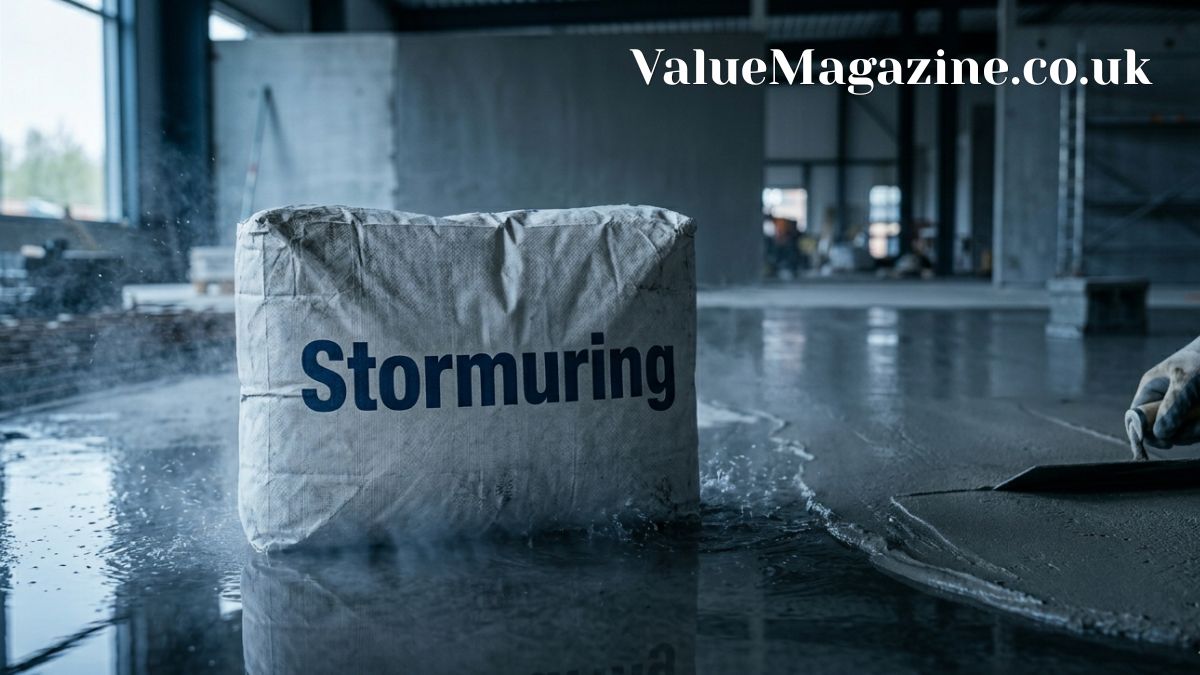
When water finds its way into a building, the damage rarely stops at the surface. It travels through hairline cracks, corrodes reinforcement bars, breeds mold, and weakens entire structures over time. For contractors, homeowners, and engineers dealing with moisture-prone environments, the challenge has always been finding a single reliable material that can handle waterproofing, surface repair, and long-term weather resistance all at once.
That is exactly where Stormuring comes in. Rooted in Scandinavian construction expertise and now gaining recognition across global building projects, Stormuring is a fiber-reinforced, waterproof mortar system engineered specifically for leak-proof construction. Whether you are sealing a damp basement, repairing an exterior façade, or protecting a retaining wall against driving rain, Stormuring delivers performance that ordinary cement mortar simply cannot match.
This guide explains what Stormuring is, how it works, where it is used, and why it has become the go-to choice for resilient, moisture-proof building work.
What Is Stormuring? A Clear Definition
Stormuring, most commonly associated with the product Hey’di Stormuring, manufactured by a leading Norwegian building materials company, is a pre-mixed, dry, fiber-reinforced waterproof mortar. The name itself carries meaning: “storm” references its ability to withstand harsh weather, while “muring” is the Norwegian word for masonry or plastering. Together, they describe a material built for exactly what its name promises: storm-resistant masonry protection.
In construction terminology, Stormuring belongs to the category of high-performance repair and protective mortars. Unlike standard cement mortars that serve a single function, Stormuring is engineered to handle multiple roles:
- Waterproof render on external walls
- Structural repair mortar for cracked or deteriorated concrete
- Leveling and plastering coat on uneven masonry surfaces
- Protective plaster in basements, wet rooms, and below-grade spaces
Its cement base is combined with carefully graded aggregates, reinforcing fibers, and proprietary waterproofing additives. This multi-component composition gives it superior adhesion, crack resistance, and durability compared to conventional mixes.
The Scandinavian Origins of a Global Construction Standard
Stormuring’s development can be traced back to the demanding climates of Scandinavia, where buildings face a relentless combination of driving rain, heavy snow, rapid freeze-thaw cycles, and persistent coastal humidity. Traditional plasters and standard mortars simply could not survive these conditions for long. Surfaces would crack, absorb water, and fail prematurely.
To solve this, Norwegian engineers and construction material specialists developed a new category of weather-resistant, fiber-reinforced mortars durable enough to bond to concrete and masonry while still flexible enough to cope with natural structural movement and temperature variation.
Today, that core concept has spread well beyond Norway. Stormuring-type products are now used on building projects across Europe, the UK, and internationally, wherever weather exposure and moisture control are serious design considerations. The underlying principle remains the same: create a bonded, dense, water-resistant skin that protects structures from the outside in.
Key Features and Technical Properties of Stormuring
Understanding what makes Stormuring stand apart from regular mortar starts with its composition and measurable technical properties.
| High — bonds to concrete, brick, stone, and existing plaster | Stormuring Specification |
|---|---|
| Product Type | Pre-mixed dry fiber-reinforced mortar |
| Primary Binder | Cement-based |
| Reinforcement | Synthetic or polypropylene fibers |
| Water Resistance | Typically, 15 kg bags |
| Adhesion | High — bonds to concrete, brick, stone, existing plaster |
| Pack Size | Typically 15 kg bags |
| Mixing Ratio | Approx. 2.7–3 liters of water per 15 kg bag |
| Pot Life | Approximately 1 hour after mixing |
| Application Areas | Interior and exterior vertical and overhead surfaces |
| Coverage Rate | Approx. 1.7 kg per liter of applied volume |
Fiber Reinforcement: Why It Matters
The fibers embedded in Stormuring are not just a marketing feature; they are fundamental to the material’s performance. When mortar dries and contracts, micro-cracks naturally try to form. The fibers act as internal bridges, holding the matrix together, distributing stress more evenly, and dramatically reducing the chance of shrinkage cracking or surface spalling.
In repair situations, particularly in zones that experience repeated thermal expansion and contraction, this fiber reinforcement makes a measurable difference in how long the repair lasts.
Waterproofing Additives: How Water Is Stopped
Stormuring’s waterproofing performance comes from hydrophobic agents built into the mix. These compounds cause water to bead on the surface and reduce absorption through the pore structure of the hardened mortar. The result is a dense, low-permeability layer that resists both surface water and capillary moisture movement through walls.
This is especially important in below-grade applications, where hydrostatic pressure, the physical force of groundwater pressing against a foundation wall, can push moisture through even small pores in ordinary concrete.
Where Stormuring Is Used
One of the most practical advantages of Stormuring is its broad range of applications. A single product type can be deployed across multiple stages of a construction or renovation project.
1. Basement and Foundation Waterproofing
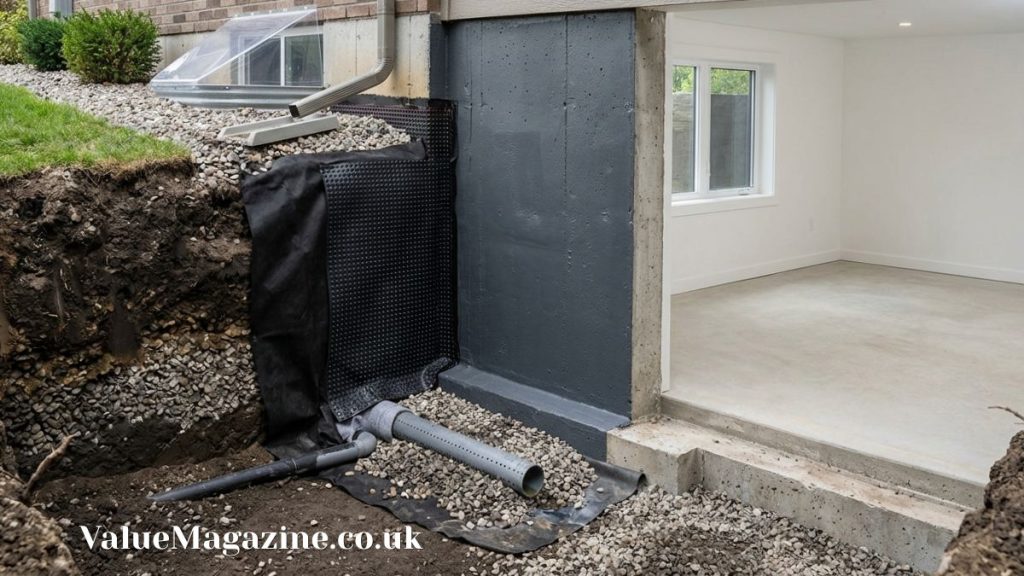
Basements are among the most moisture-vulnerable areas of any building. Rising damp, groundwater infiltration, and condensation combine to create persistent problems that damage internal finishes, encourage mold growth, and degrade structural concrete over time. Stormuring is applied as a waterproof render coat on internal and external foundation surfaces, creating a barrier that resists water ingress even under pressure.
2. Exterior Wall Rendering
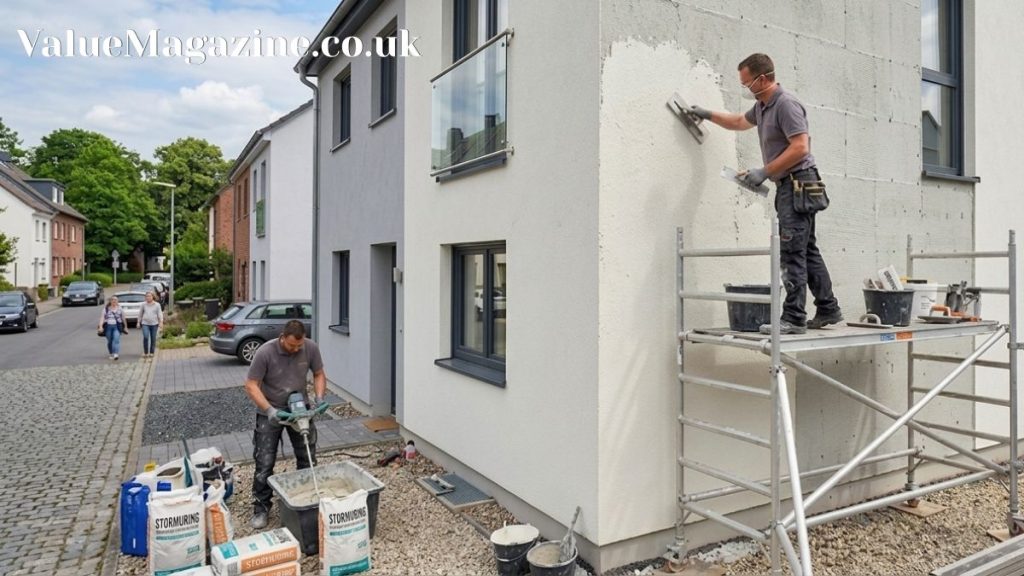
External façades face relentless exposure to wind-driven rain, UV radiation, temperature swings, and physical impact. Stormuring applied as an exterior render coat provides a protective skin that seals the underlying masonry, resists cracking from thermal movement, and maintains its bond through years of weather exposure.
3. Masonry Repair and Patch Work
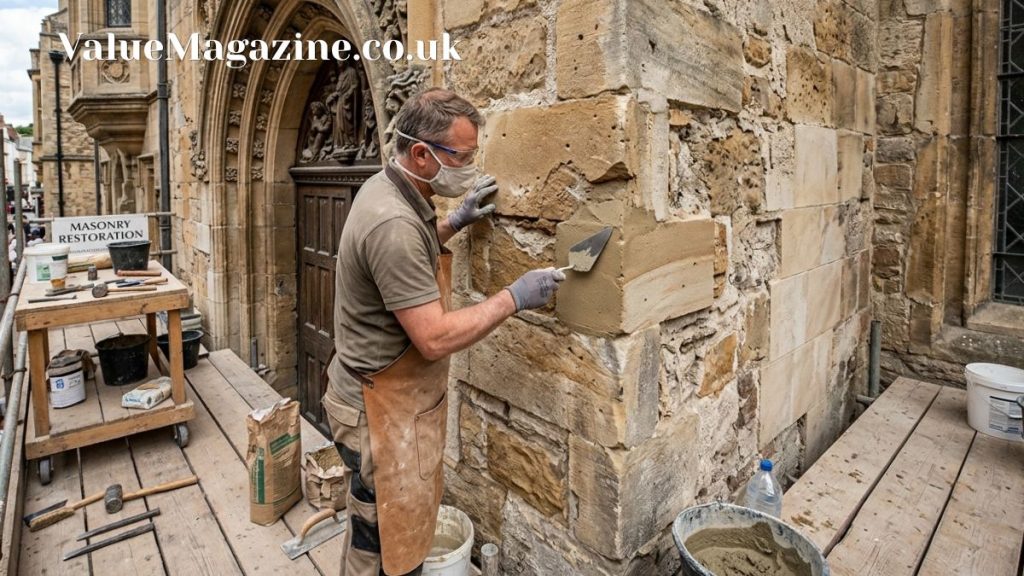
Deteriorated brickwork, spalled concrete, and failed pointing are common in older buildings. Standard repair mortars often fail at the bond line, allowing water to re-enter from behind. Stormuring’s high-adhesion formula grips prepared masonry surfaces firmly, creating a composite repair layer that performs as part of the structure rather than just sitting on top of it.
4. Retaining Walls and Below-Grade Structures

Retaining walls are under constant moisture stress from the soil side. Stormuring provides both the physical strength to resist earth pressure and the waterproofing properties to prevent water from saturating and weakening the structure.
5. Chimneys, Parapets, and Exposed Masonry

Chimney stacks and parapets are among the most weather-exposed masonry elements in any building. Their position means they receive driving rain from multiple directions, experience rapid temperature changes, and are often neglected until significant deterioration has already occurred. Stormuring’s fiber reinforcement and waterproof chemistry make it a reliable choice for restoring and protecting these high-risk areas.
Stormuring vs. Standard Mortar: A Direct Comparison
| Feature | Standard Cement Mortar | Stormuring |
|---|---|---|
| Waterproofing | None (absorbs moisture) | Built-in hydrophobic protection |
| Crack Resistance | Prone to shrinkage cracking | Fiber reinforcement reduces cracking |
| Adhesion | Moderate | High bonds to multiple substrates |
| Application Versatility | Limited (masonry only) | Masonry, plastering, repair, waterproofing |
| Weather Resistance | Low to moderate | High designed for harsh climates |
| Pre-Mixed Convenience | No — must be batched on site | Highly designed for harsh climates |
| Indoor/Outdoor Use | Outdoor only in most cases | Both indoor and outdoor |
| Setting Speed | Standard | Fast-setting options available |
The comparison makes clear why Stormuring has replaced conventional mortar on moisture-sensitive projects. It is not a premium upgrade; it is a practical solution to problems that standard mortar consistently fails to solve.
How to Apply Stormuring: Step-by-Step
Correct application is critical. Even the most advanced waterproof mortar will underperform if the substrate is poorly prepared or the mixing ratio is off.
Step 1: Surface Preparation Remove all loose material, dust, oil, or biological growth from the surface. Old paint or failing coatings must be stripped back. Concrete surfaces benefit from mechanical roughening (wire brushing or scarifying) to improve mechanical keying. Dampen dry substrates before application, but remove any standing water.
Step 2: Mixing Add approximately 2.7–3 liters of clean, cold water to a 15 kg bag of Stormuring powder. Mix with a paddle mixer at low speed until a smooth, lump-free consistency is achieved. Avoid adding excess water, as this reduces both strength and waterproofing performance.
Step 3: Application Apply with a steel trowel, pressing firmly to ensure full contact with the substrate. Work in controlled passes to achieve the specified thickness. For waterproofing applications, two coats (applied in opposing directions) are often recommended for best results.
Step 4: Finishing Once the material has partially stiffened, finish with a damp sponge float or steel trowel to the required texture. Avoid overworking the surface, which can draw water to the face and weaken the surface layer.
Step 5: Curing Protect the freshly applied material from direct sun, frost, and strong wind for the initial curing period. Light misting with water in hot or dry conditions helps ensure complete hydration and maximum strength development.
Why Stormuring Aligns with Modern Construction Standards
Construction today is increasingly governed by requirements around durability, energy efficiency, and resilience to climate events. Buildings are expected to perform across longer design lives, with reduced maintenance requirements and better resistance to extreme weather.
Stormuring fits naturally into this framework. Its ability to seal moisture pathways reduces the risk of freeze-thaw damage to masonry, prevents the corrosion of embedded steel reinforcement, and helps maintain the thermal performance of wall assemblies by keeping insulation dry.
For projects seeking BREEAM, Passive House, or local green building certifications, the use of high-performance waterproof mortars in vulnerable areas supports compliance with moisture control and durability criteria
Conclusion
Water is one of the most persistent and destructive forces in construction. Left unchecked, it degrades materials, compromises structural integrity, and creates long-term maintenance burdens that far outweigh the cost of prevention.
Stormuring addresses this challenge with a practical, proven formula. Its combination of fiber reinforcement, built-in waterproofing chemistry, strong adhesion, and versatile application range makes it one of the most effective materials available for leak-proof construction, whether you are working on a new build, a demanding renovation, or a structural repair project.
From Norwegian roots to global relevance, Stormuring has earned its reputation as a material that performs where it matters most: in the difficult, moisture-exposed conditions that test ordinary building products to their limits. For any project where water is the enemy, Stormuring is the right place to start.
Frequently Asked Questions (FAQs)
What surfaces can Stormuring be applied to?
Stormuring bonds well to concrete, brick, masonry block, stone, and existing stable plaster both indoors and outdoors.
Is Stormuring suitable for DIY use?
Yes. Its pre-mixed formulation means homeowners can use it for smaller repairs by simply adding water and following the manufacturer’s mixing guidelines.
How long does Stormuring take to cure?
Initial setting begins within approximately one hour of mixing. Full-strength development typically takes several days, depending on temperature and humidity conditions.
Can Stormuring be painted over?
Yes. Once fully cured, Stormuring surfaces can be decorated with compatible masonry paints or coatings. Check the specific product datasheet for recommended topcoat systems.
Is Stormuring frost-resistant after curing?
Yes. Once fully cured and hardened, Stormuring is designed to resist freeze-thaw cycling, one of the key performance requirements for construction materials used in cold or temperate climates.
Where can I buy Stormuring?
Hey’di Stormuring is widely available through building merchant networks in Scandinavia (retailers such as Maxbo and Optimera), and through specialist construction suppliers internationally. Always verify you are purchasing the genuine product by checking for the official Hey’di branding.
Does Stormuring replace dedicated waterproofing membranes?
In many surface repair and render applications, yes. For severe hydrostatic pressure situations (e.g., deep basements with high water tables), it is often used as part of a wider waterproofing system alongside drainage layers and sump management.